“Marta Braun argues, ‘Muybridge was not using his camera as an analytical tool at all but was using it for narrative representation.’
One could go beyond Braun in arguing not only that the individual sequences suggest narratives, but that whole stories are implied
in the order in which he shot the motion studies of women.”
— Rebecca Solnit, River of Shadows
The Unfinished Cinema of Eadweard Muybridge 2025, HD video, 11.08 min
My paternal grandfather came cross country by wagon train, drawn by the lure of gold. He ended his life as the foreman of a gold mine in Angel’s Camp. After his death, my grandmother moved the family to San Francisco just in time for the great earthquake and re. My Mother’s family came west for the land, homesteading over many decades until reaching central California by rail late in the 19th century. Reading Rebecca Solnit’s River of Shadows, I was struck by the contemporaneousness of my family story with the photographic epoch Muybridge represents. I was also taken by how the Muybridge’s experimentation—the striving for greater and greater scale, to rival that of painting—was much like that of my own time in the Vancouver photo-conceptual scene. But the greatest revelation from Solnit’s book was her belief that there was an emotional tenor to Muybridge’s motion capture images that presumed a narrative. That it wasn’t only his technical innovations that made him the father of motion pictures. Thus, I took it on myself to tease out those visual narratives by animating the motion capture grids and setting them in his still images of San Francisco and Yosemite Valley to complete his cinematic project, technically impossible during his lifetime.
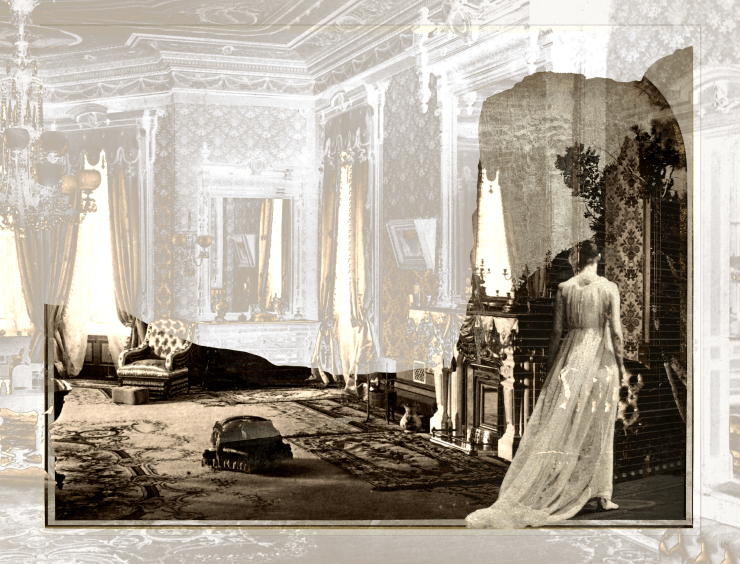
In the end, there is one dance you’ll do alone, Archival print, 32×40 inches, 2025
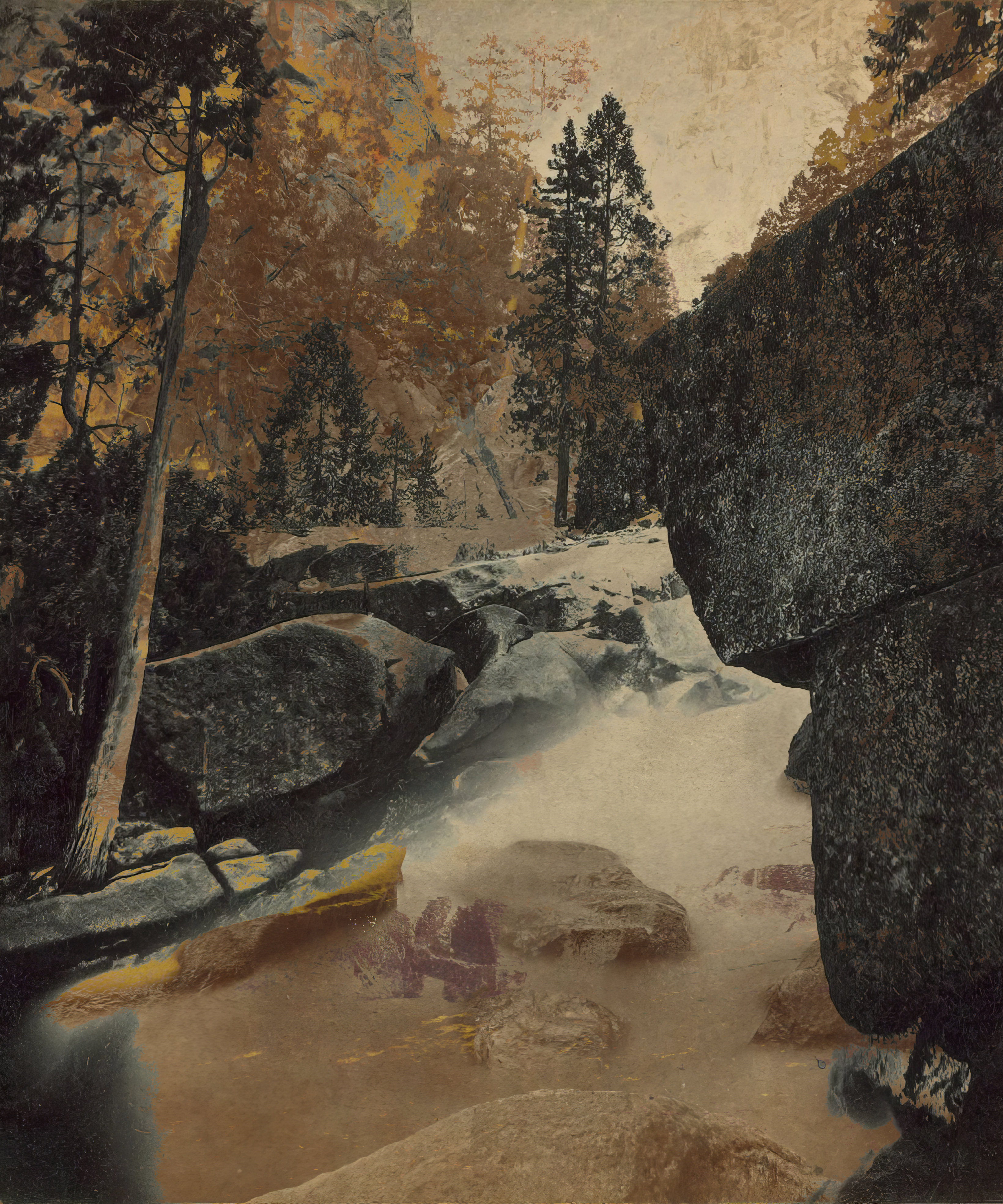
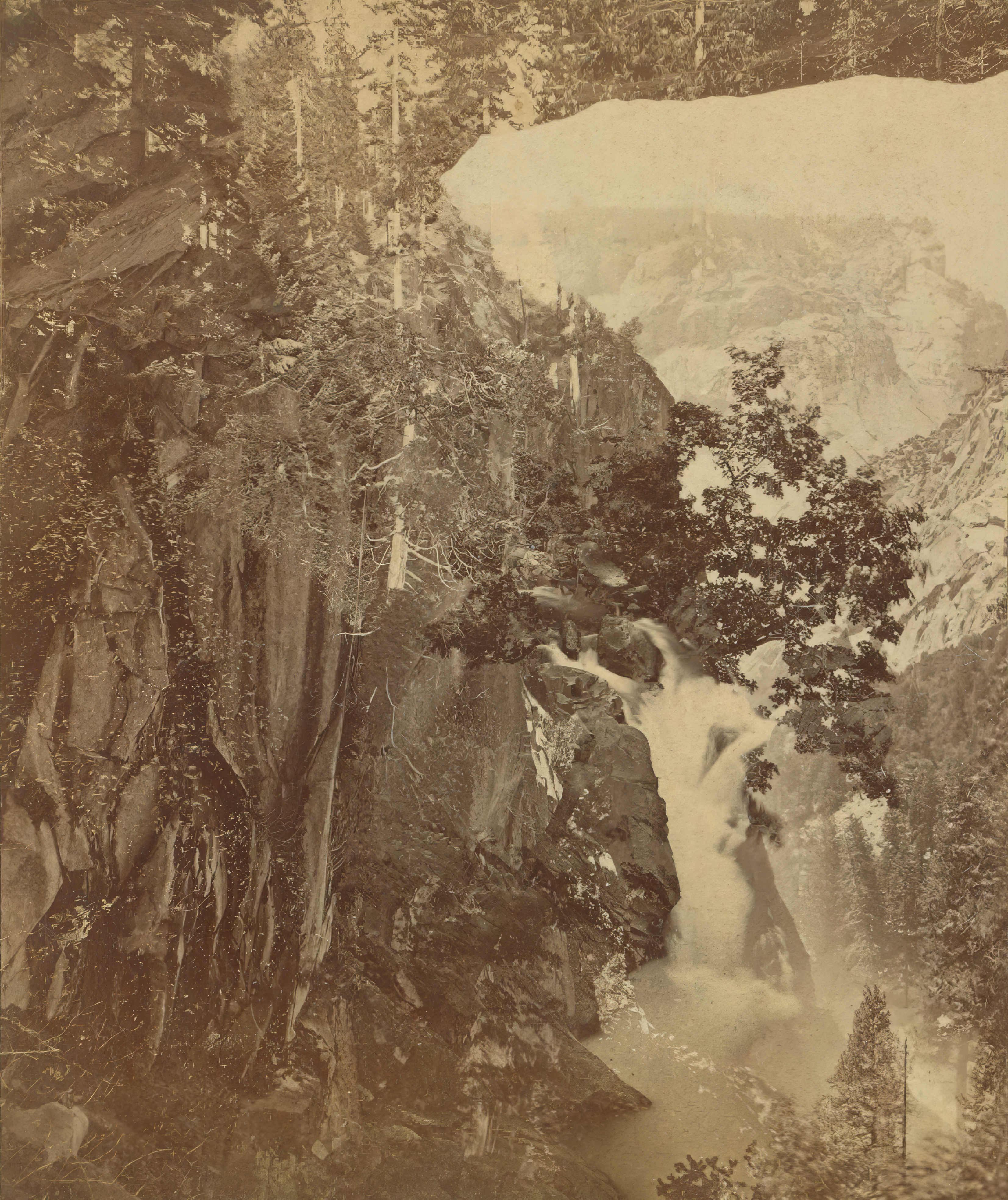
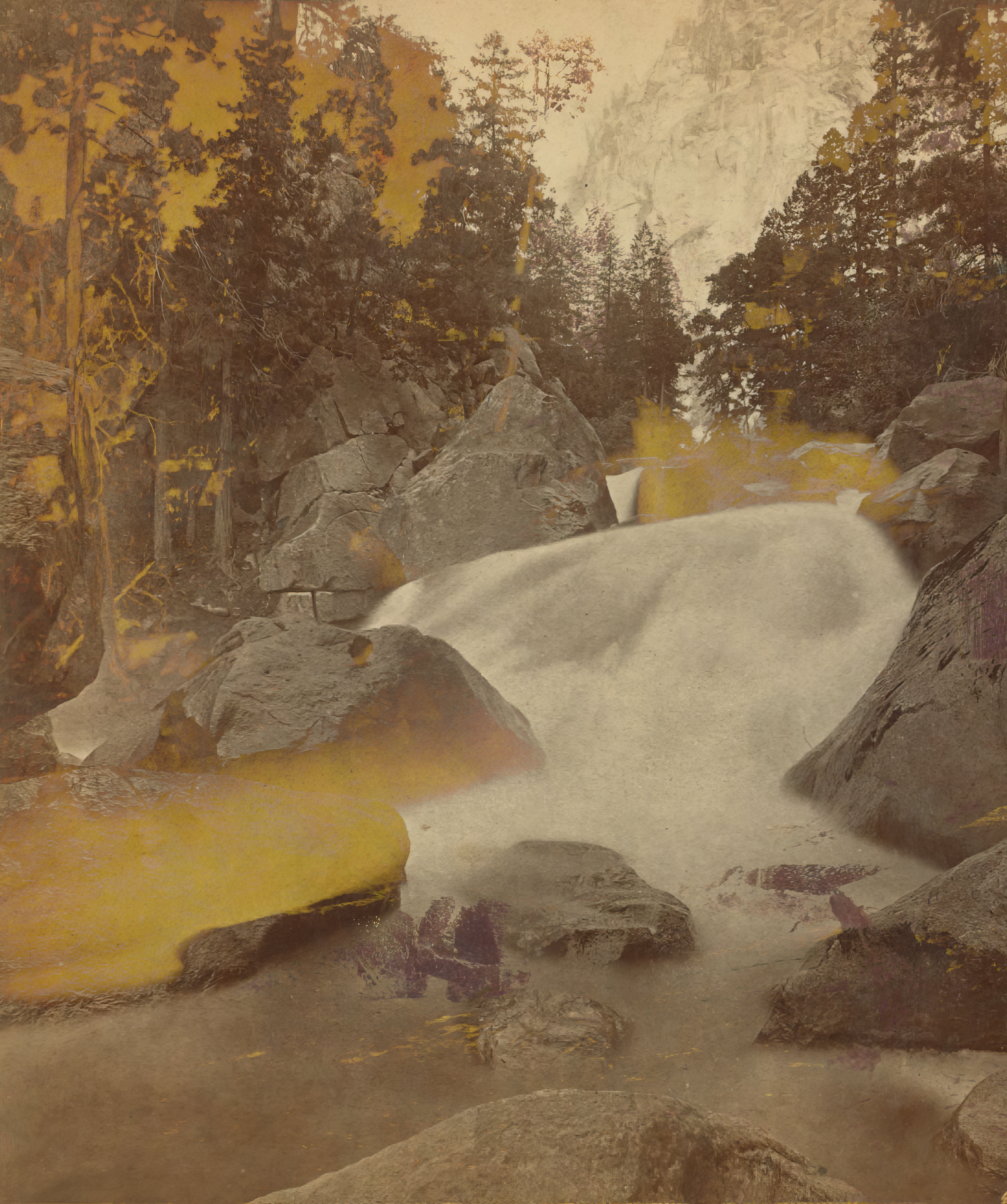
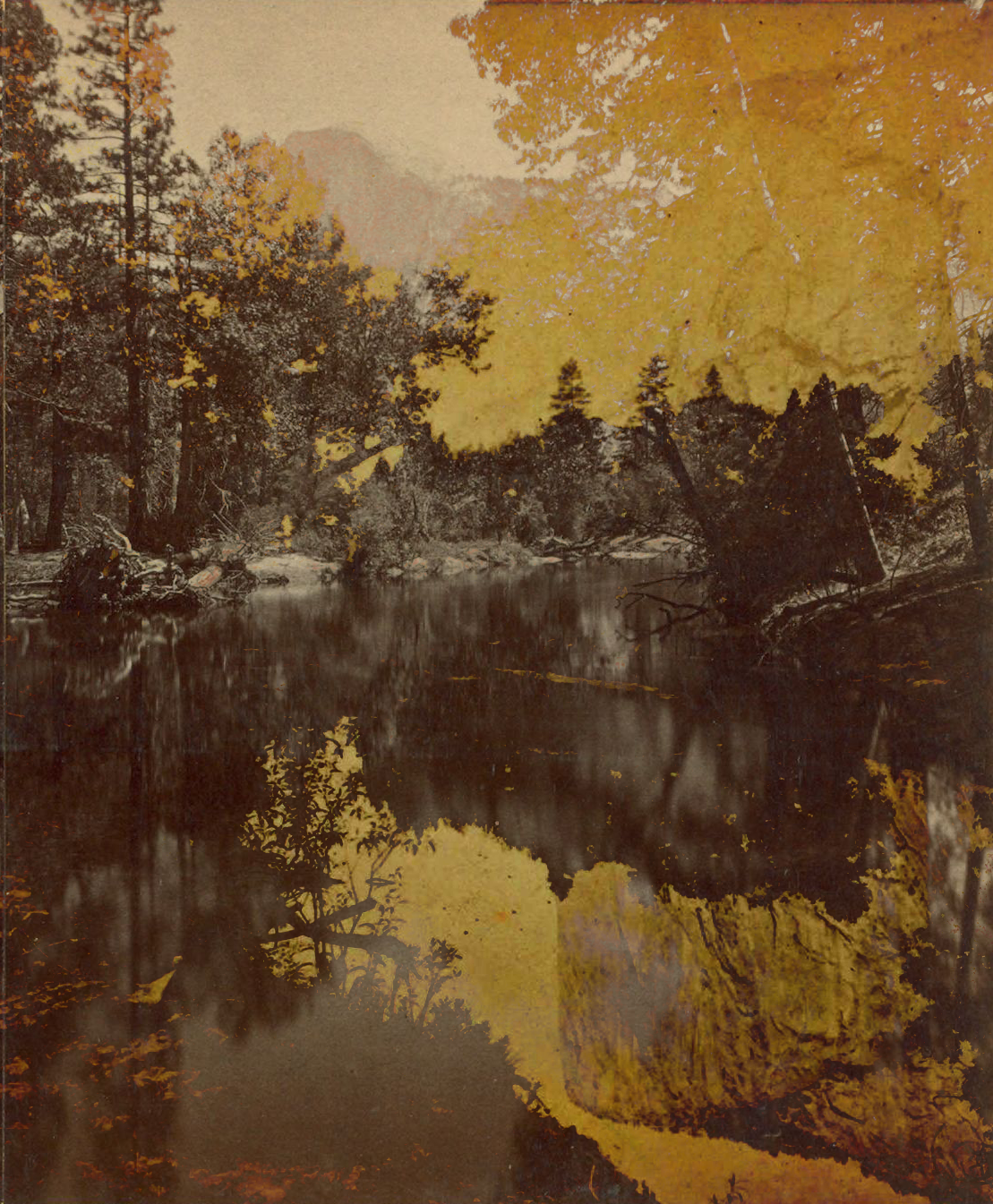
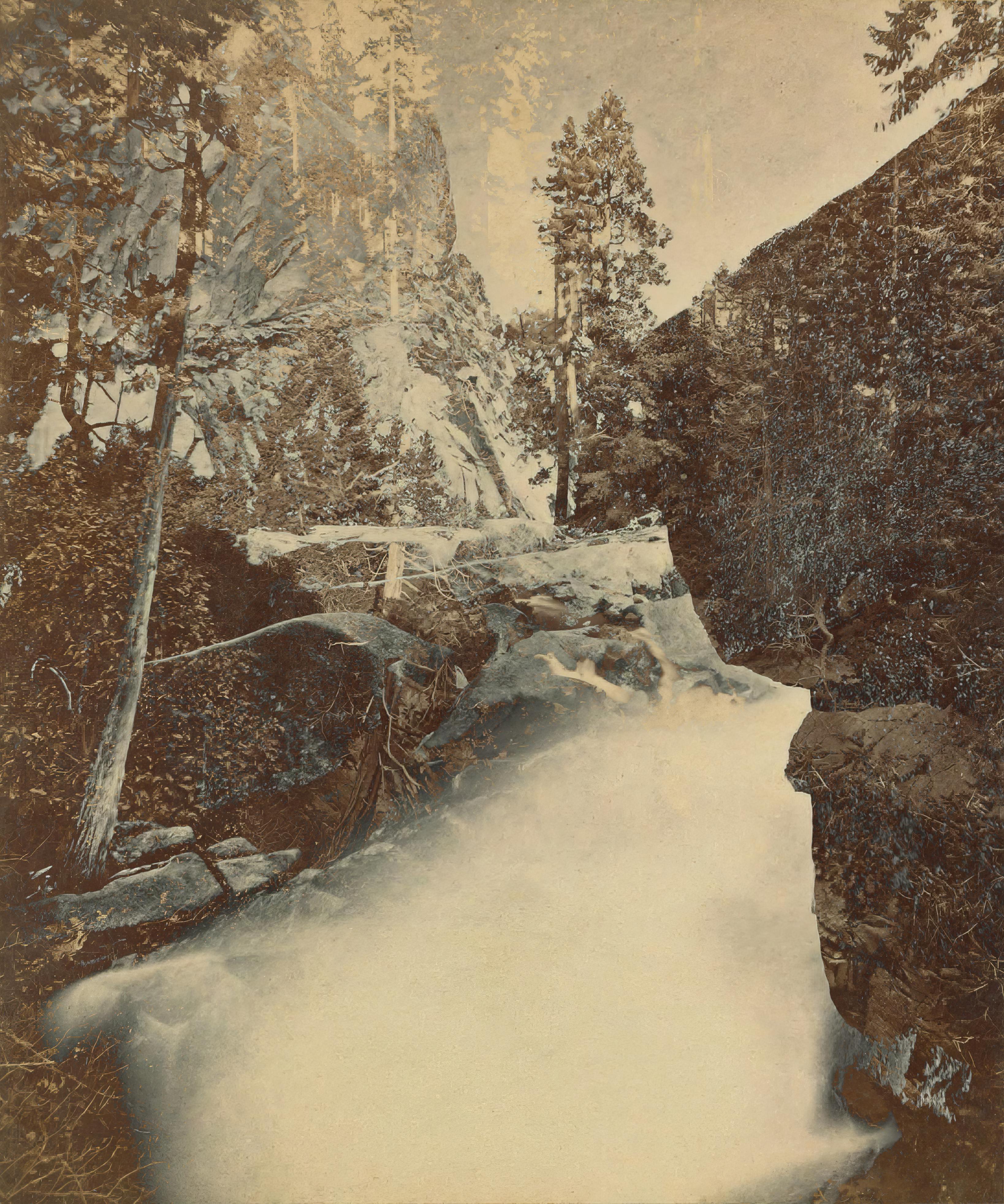
Click on images above for slide show
 Bill Jones | studio