The myth of the wilderness as ‘virgin’ uninhabited land had always been especially cruel when seen from the perspective of the indigenous people who had once called that land home. Now they were forced to move elsewhere, with the result that tourists could safely enjoy the illusion that they were seeing their nation in its pristine, original state, in the new morning of God’s own creation.
— The Trouble with Wilderness, William Cronin
Background
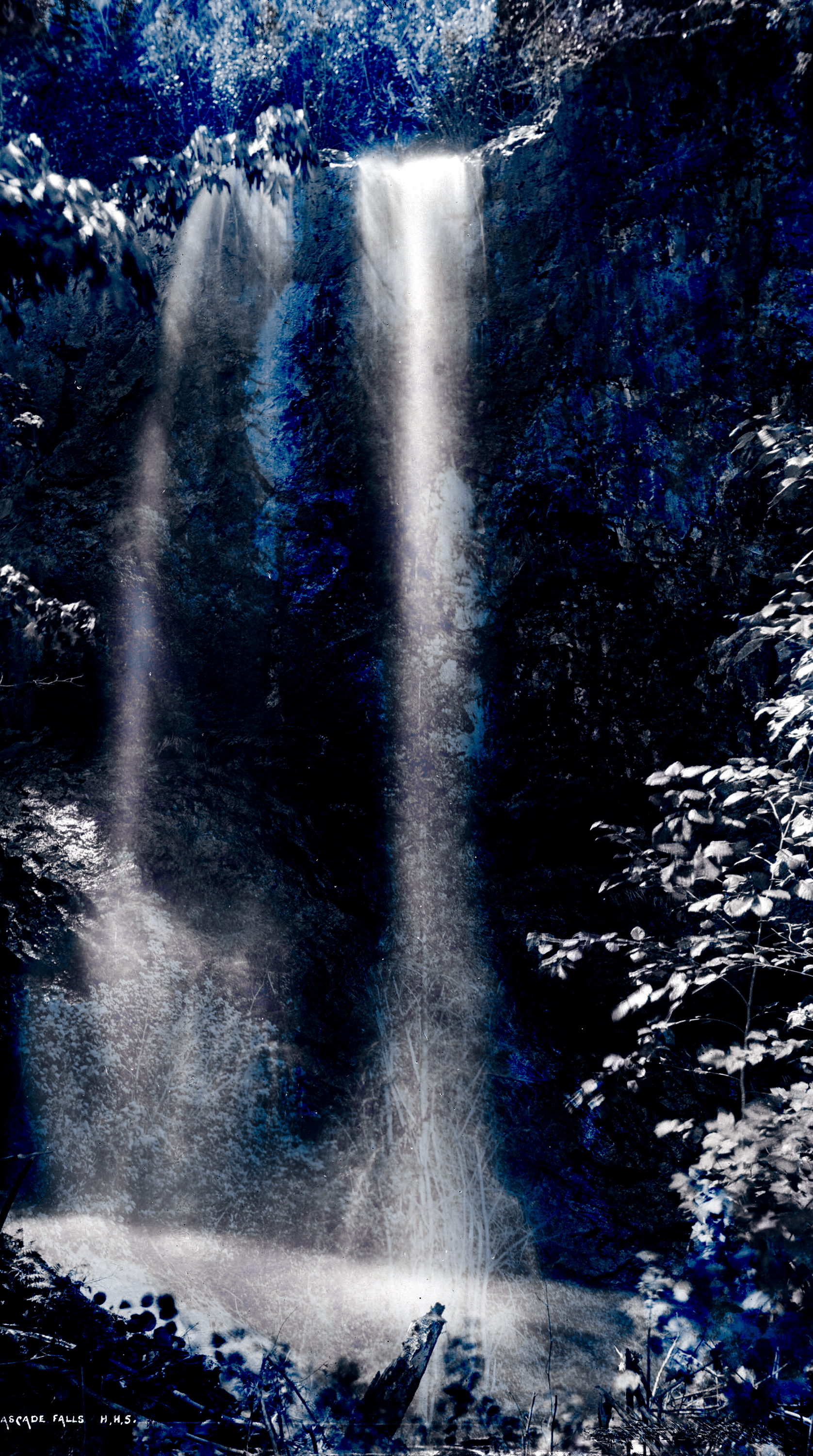
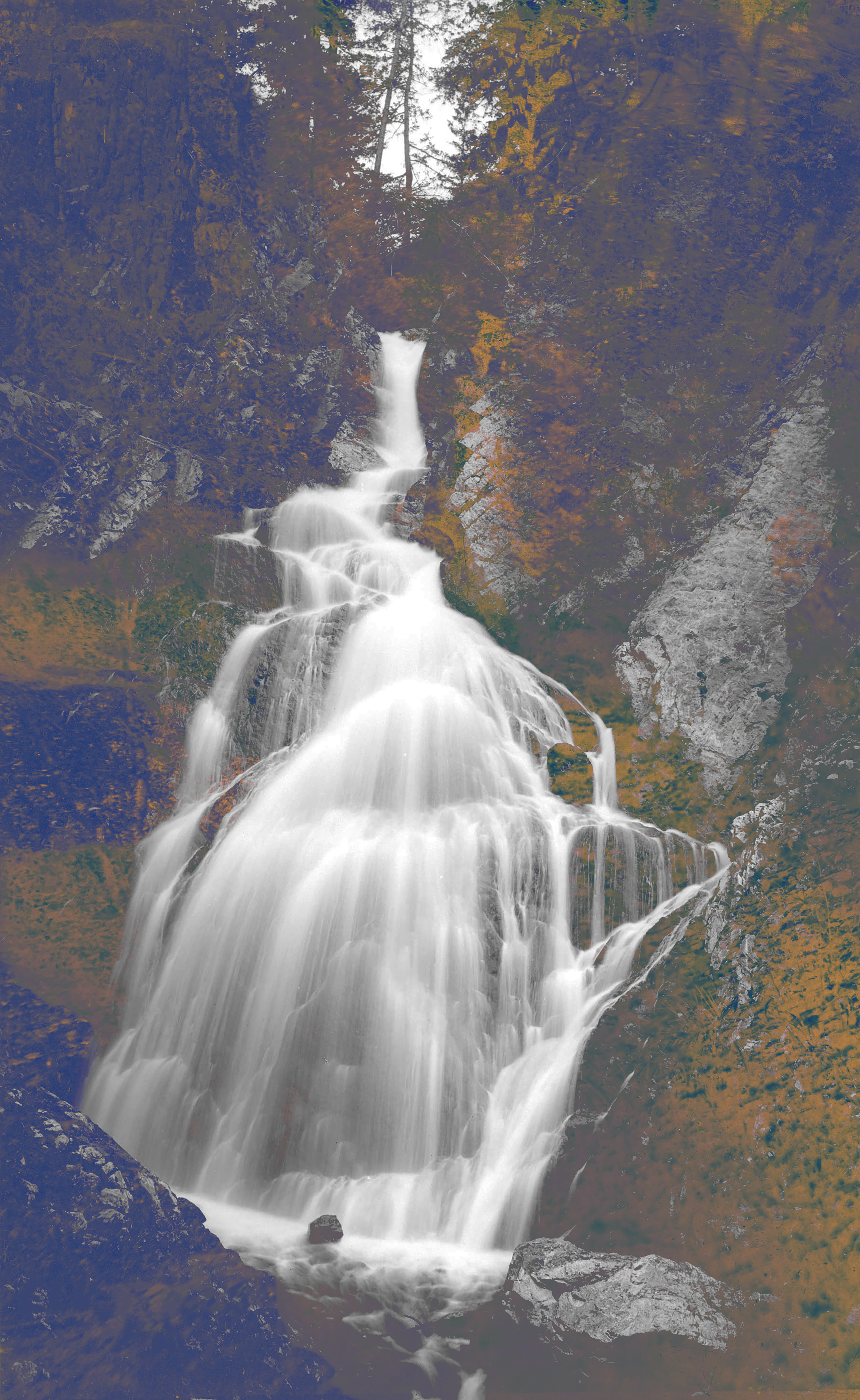
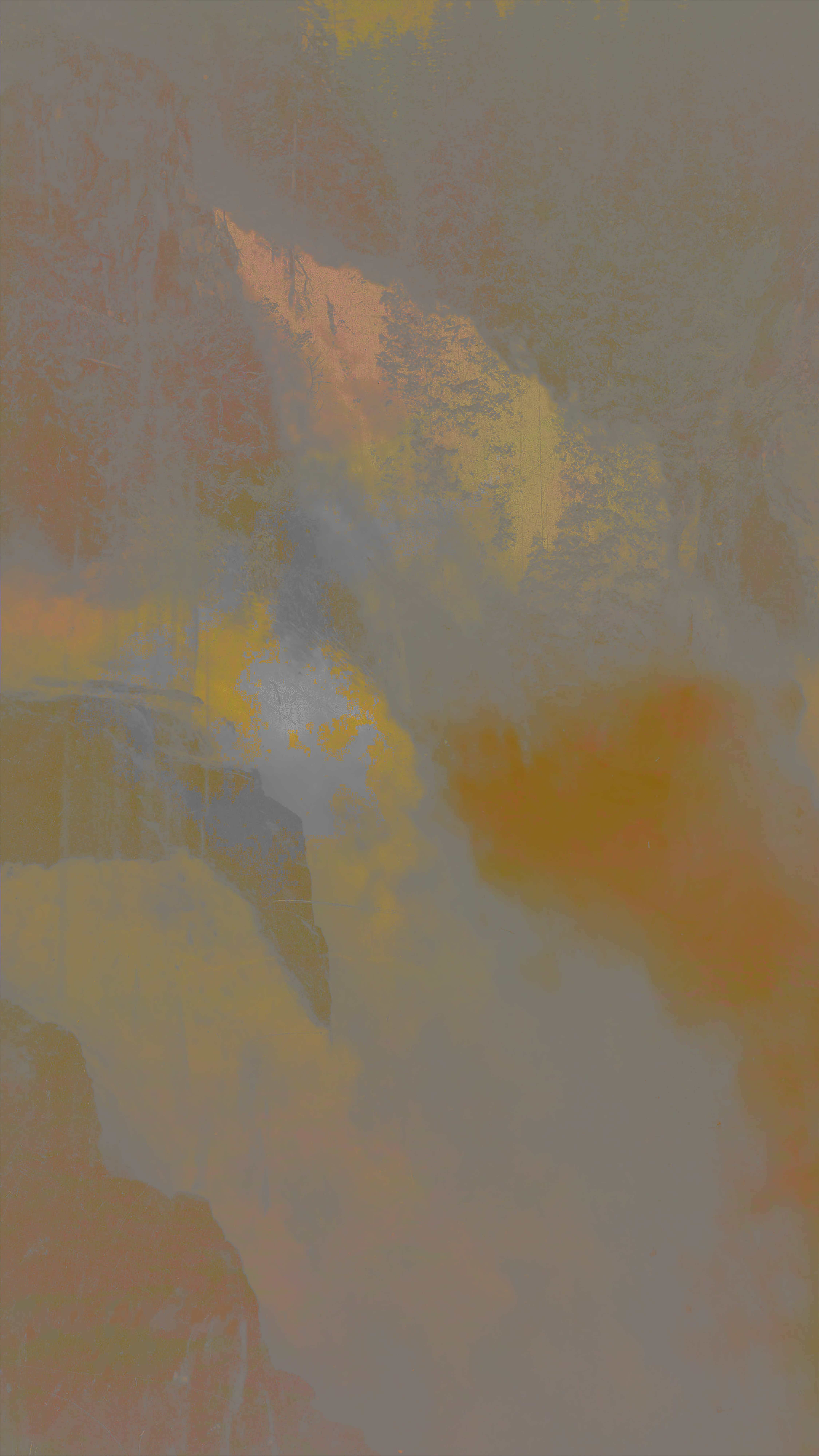
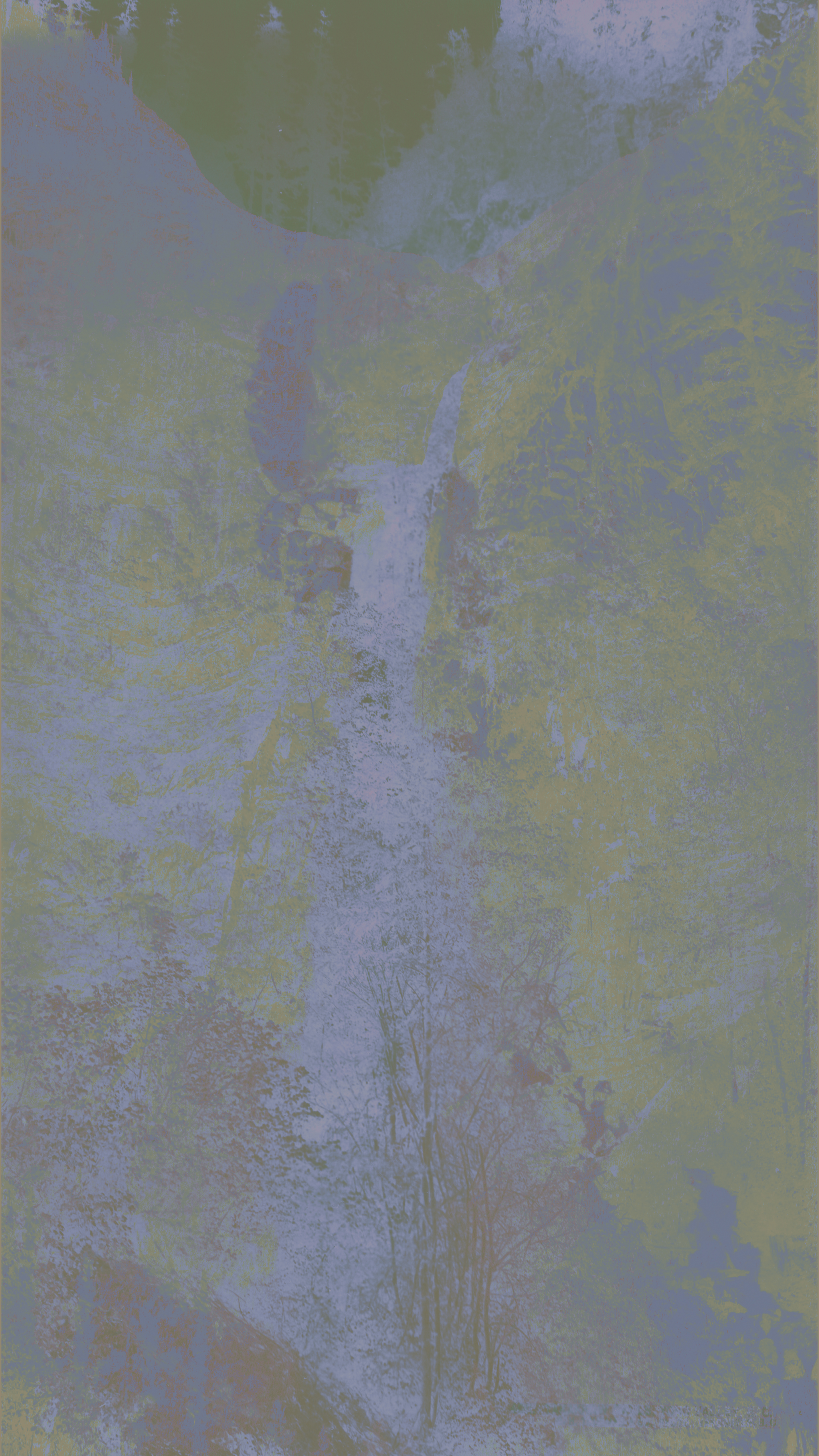
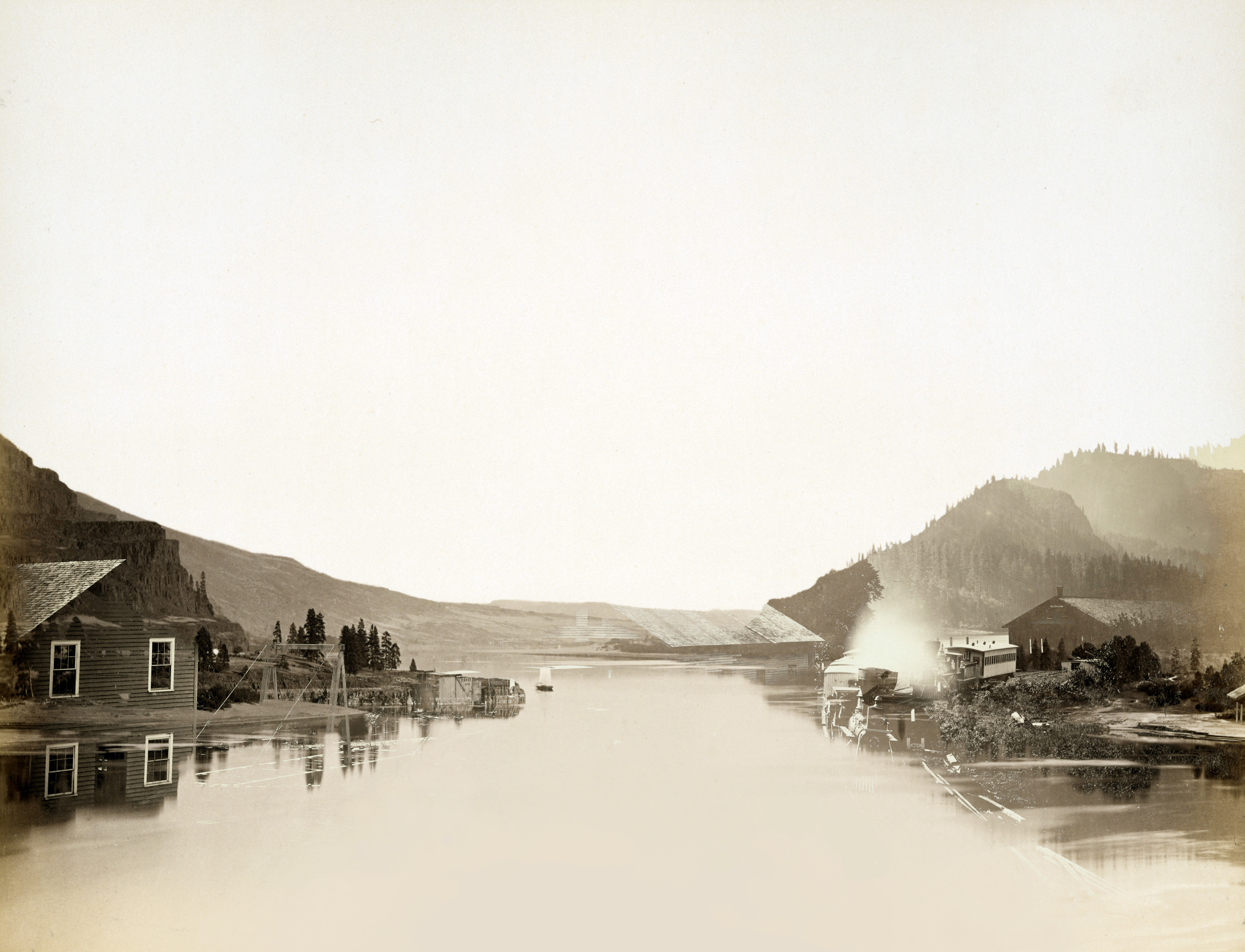
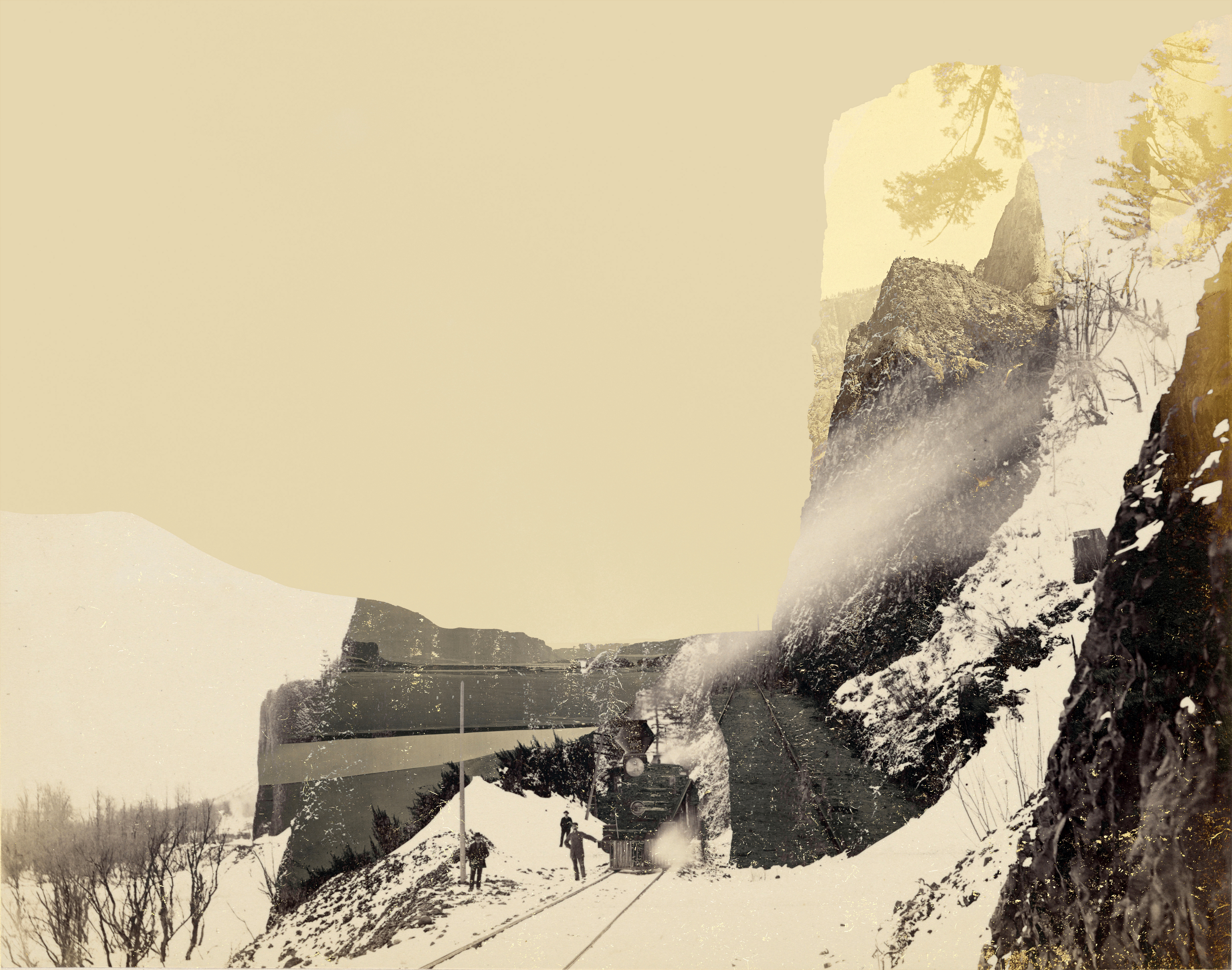
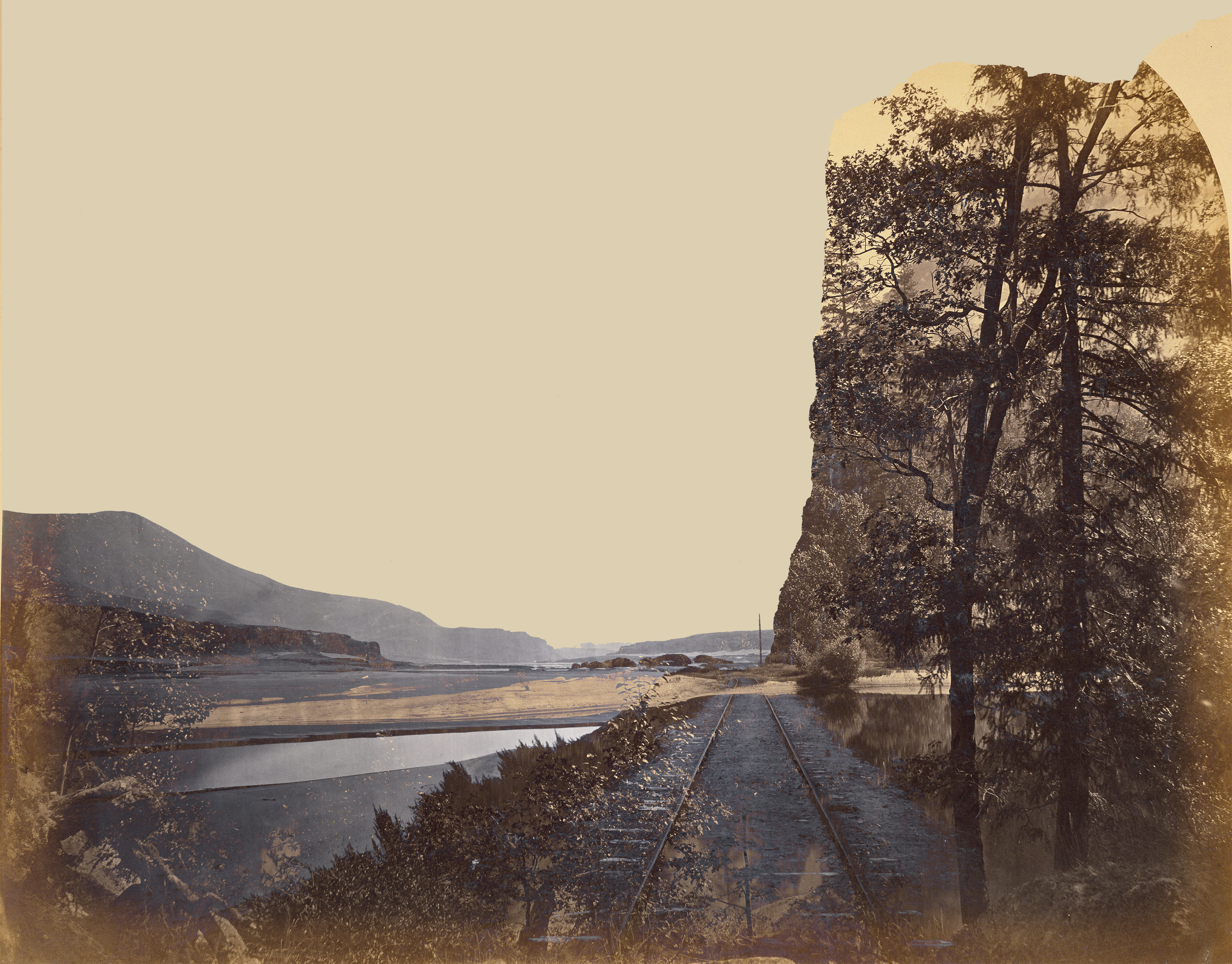
The Cascadia Project is a wide-ranging investigation of and engagement with online digital archives of the Cascadia bioregion (Northern California, Oregon, Washington and British Columbia) in order to render a diasporic landscape from the existing photographic record. The Cascadia Project treats the archival record as active in the production of the cultural landscape of the region, as well as record of its construction. The project views these historical recordings as strata in a geological map of its history and uses photographic and cinematic montage to portray the layering of those strata. The project gives historical context to modern and postmodern photographic projects that engage the cultural landscape such as Vancouver’s photo-conceptual scene of the 1970s and the contemporaneous photographic projects of Ed Rusche, Robert Adams and Lewis Baltz. This project is possible due to the online availability of these regional photographic archives that make high resolution digital images available. I chose the subject of the Cascadia bioregion because of my personal history as the progeny of California gold-rush era settlers and my participation in the 70s photo-conceptual scene in Vancouver, B.C.. Having lived on both sides of the Canadian/US border, I feel a special kinship to a region that crosses that border. The Cascadia region is especially suited for my investigation because of the compressed time frame from first contact of Europeans in the north of the region and its rapid colonization and settlement by Europeans, much of which occurred during the photographic epoch.
Cascadia, 2024, HD Video, 14:56 min

At the edge of the Shrunken sea
At the edge of the shrunken sea, 2023, HD video, 28:13 min.
At the edge of the shrunken sea is a video work that engages historical photography’s complicity in the cultural assimilation of the Indigenous people of the Salish Sea. The project interrogates the archival record chronicling Vancouver’s rapid growth from colonization to gentrification after the 1886 fire. It uses elements of collage and montage to extend its critical frame, encompassing erasure and displacement as an alternative to the accepted narrative of progress and empire. The video also shows the obvious cultural and social crosscurrents within the new urban experience between First Nations peoples and non-Caucasian settlers. Furthermore, the work looks at the critical period from the late 19th century to the early 20th century, when B.C.’s urban expansion, resource extraction and manufacturing employed the many various sectors of B.C.’s growing population.


(Click on images above for slide show)
During the push to complete the Canadian trans-continental railroad in the late 1800s, a
number of wooden bridges and trestles were erected to ford rivers and cross canyons
throughout British Columbia. One of these temporary structures crossed
the Fraser River to St. Mary’s Mission where, for over 100 years the children of Indigenous
people were forcibly assimilated and often abused. Quite by accident, these images of railroad
bridges and mission schools were damaged over those years rendering them as dark
vignettes of colonial power.
Promised Land: The Unfinished Cinema of Eadweard Muybridge
Promised Land: The Unfinished Cinema of Eadweard Muybridge, 2022, HD video, 14:08 min



 Bill Jones | studio